
Tanzania is a year-round destination — but the time you choose to visit will shape everything about your experience. The wildlife you encounter, the landscapes you cross, the crowds you share the bush with, and the price you pay all shift dramatically depending on the season. Whether you are chasing the Great Migration, summiting Kilimanjaro, or relaxing on the beaches of Zanzibar, this guide will help you pick the perfect window for your Tanzania safari.
Tanzania’s Two Seasons: The Basics
Tanzania has two main seasons driven by rainfall:
Dry Season (June – October & January – February)
Clear skies, firm roads, and wildlife concentrated around water sources make this the classic safari season. Game viewing is at its best because animals gather predictably and the vegetation is low, giving you clear sightlines across the plains.
Wet Season (March – May & November – December)
The long rains (March–May) bring lush green landscapes, baby animals, and far fewer tourists. The short rains (November–December) are lighter and less disruptive — many experienced travelers consider this one of Tanzania’s best-kept secrets.
No month in Tanzania is completely off-limits for a safari. Each season has its own magic. Here is what to expect month by month.
January – February: Calving Season & Southern Serengeti
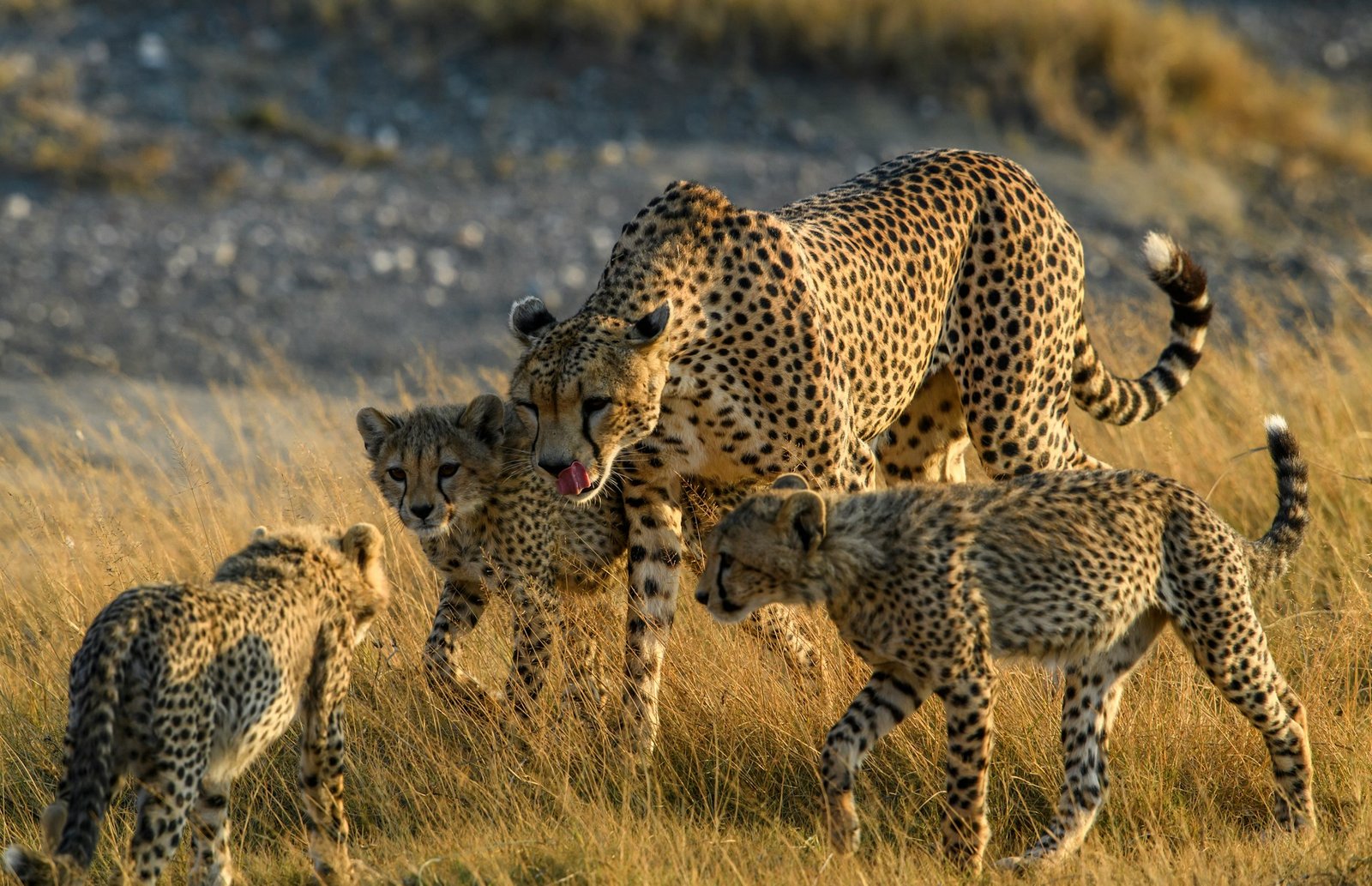
These months are outstanding for wildlife, particularly in the southern Serengeti and Ndutu area. This is when the Great Migration’s wildebeest calving season takes place — up to 500,000 calves are born in just a few weeks. Predator activity is extraordinary as lions, cheetahs, and hyenas follow the herds closely. The weather is generally warm and dry, making January and February an excellent — and often underrated — time to visit.
Best for: Great Migration calving, predator action, Ndutu area game drives
March – May: Green Season (Long Rains)
March through May brings Tanzania’s long rainy season. Heavy afternoon showers are common, particularly in April. Some camps close, dirt roads become challenging, and wildlife is more dispersed across the now-lush landscape. However, this is the lowest-priced time to visit — rates can drop by 30–50% — and the parks feel almost entirely to yourself. Birdwatching is exceptional as migratory birds are present in huge numbers, and the green Serengeti after rain is genuinely breathtaking.
Best for: Budget travelers, birdwatching, photography of green landscapes, avoiding crowds
June – October: Peak Dry Season (Best Overall)
This is Tanzania’s prime safari season and for very good reason. The dry conditions push wildlife to permanent water sources, making game viewing reliably spectacular. Vegetation thins out, revealing animals that would otherwise stay hidden. June marks the start of the Great Migration river crossings in the Grumeti and Mara River areas of the northern Serengeti — one of the most dramatic wildlife spectacles on the planet.
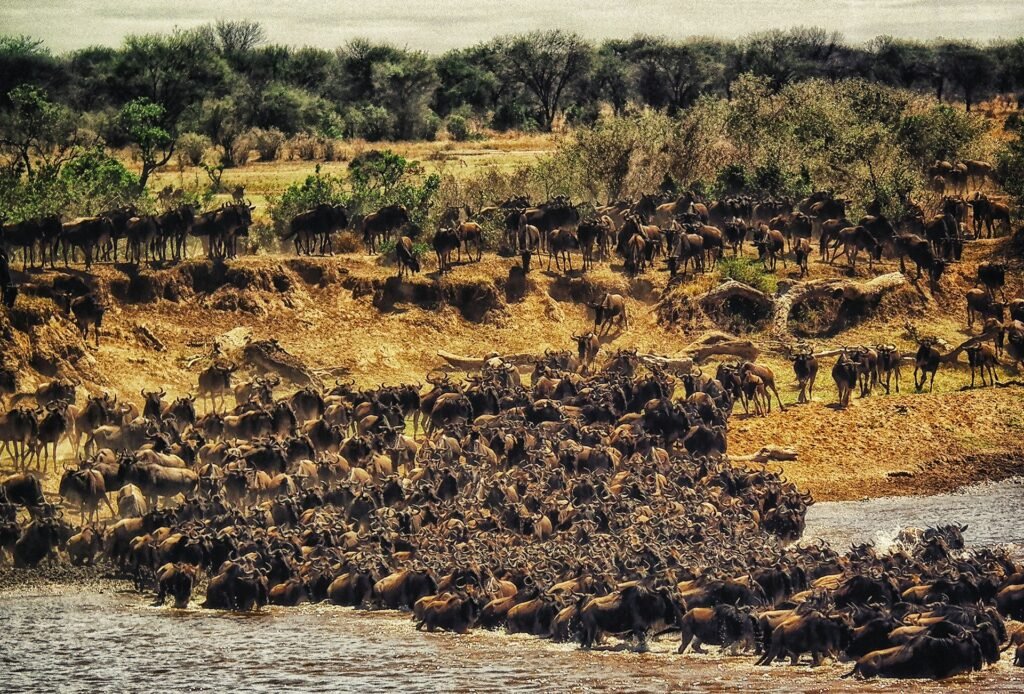
July and August are the peak months: the Mara River crossings are at their most intense, the weather is cool and clear, and the wildlife viewing in Ngorongoro, Tarangire, and Lake Manyara is superb. Expect higher prices and more visitors during this window. September and October remain excellent as the wildebeest begin moving south and the crowds start to thin.
Best for: Great Migration river crossings, all-round game viewing, Kilimanjaro climbing, family safaris
November – December: Short Rains & Hidden Gem Season
The short rains typically arrive in November and last into early December. Unlike the heavy long rains, these are usually brief afternoon showers that clear quickly. The landscape turns green, baby animals start appearing, and the parks are far quieter than during peak season. Prices are lower, lodge availability is high, and the atmosphere is wonderfully unhurried.
Christmas and New Year sees a spike in visitors, but the rest of November and early December is one of the most rewarding — and underappreciated — times to go on safari in Tanzania.
Best for: Birdwatching, green season photography, budget-conscious travelers, quiet parks